Why Buying Beef in a Filipino Market Feels So Confusing (At First)
Published: 19-Jan-2026 (06:39); Viewed: 1064; Difficulty: 6 out of 10Rating: N/A
k
 |
Why Is Beef Cut This Way in the Philippines?
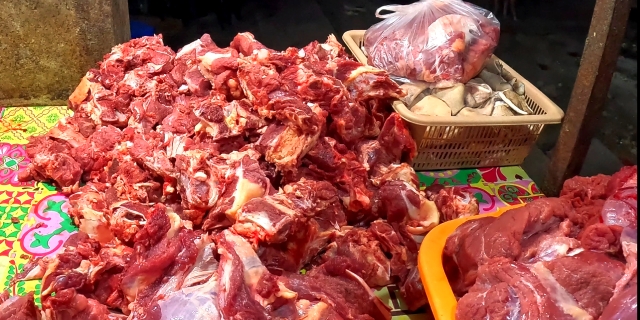
This style isn't random, and it's definitely not careless. Filipino beef is traditionally prepared for soups, stews, and long-cooked dishes like bulalo, nilaga, and pares. Cutting beef into small, bone-in pieces makes it practical: bones add flavor, collagen, and richness, and smaller cuts cook evenly in communal pots. It's also a very efficient way to use the whole animal—nothing is wasted, and every part has a purpose in cooking.Another important reason is freshness and turnover. Beef is often sold shortly after butchering, without long aging or large cold storage. Smaller cuts are easier to portion, sell quickly, and cook the same day. That's why instead of choosing a “perfect steak,” you're choosing the right piece for the right dish, whether that's a softer shoulder section or a bone-heavy cut for broth.
How to Choose the Right Piece Anyway
As shown in the video, buying beef this way becomes a skill. You learn to recognize shoulder by its grain, ribs by their bone pattern, and tougher joints by touch. You don't ask for a cut—you select it. It's slower, more hands-on, and surprisingly engaging. Once you understand the logic behind it, the system makes sense, and you start appreciating how closely it's tied to Filipino cooking culture.This is not about precision cuts—it's about function, flavor, and tradition. And once you cook with it a few times, you realize that this “mixed tray” approach actually works very well for the dishes it was designed for.
step-by-step instructions
|
|
tips and tricks
- Select the beef pieces yourself
- It is acceptable to touch meat on display
- Go early if you want more choice; later in the day, many pieces will already be sold
- Be aware of large bone fragments mixed into the meat.
- The meat is freshly slaughtered and not dry-aged.
- Do not expect Western-style cuts
- Do not aggressively complain about the cutting style — remember, the butcher has an axe, you don’t
| Follow @HowToGD | 
|

|

|
||||
| navigation: | officials: | topics: |