beef cuts
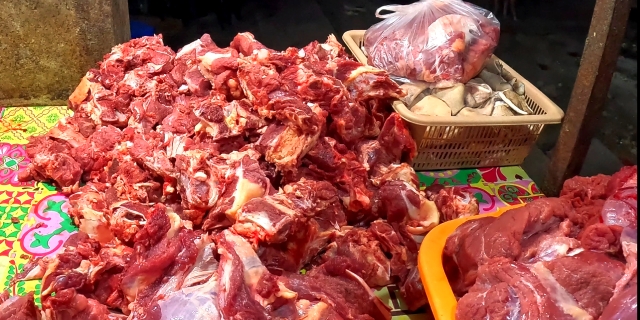
About beef cutsBeef cuts are defined by muscle function, connective tissue content, and fat distribution, not just by animal anatomy. Muscles that work harder, such as shoulder, shank, and brisket, contain more connective tissue and collagen, making them tougher but highly flavorful. These cuts are best suited for slow cooking, stewing, or braising, where collagen breaks down into gelatin. Less active muscles, such as loin or rib, are naturally tender and are typically cut into steaks for quick cooking methods.How beef is cut also depends strongly on culinary tradition and preservation methods. In many regions, especially where refrigeration is limited or where soups and stews dominate local cuisine, beef is chopped into small bone-in pieces rather than separated into Western-style steaks. Bones contribute minerals and gelatin to cooking, improve flavor, and allow the entire animal to be used efficiently. This “nose-to-tail” approach minimizes waste and matches long-established cooking practices. The choice of beef cut is therefore not universal but context-dependent: shaped by climate, cooking techniques, cultural preferences, and economics. Whether beef is sold as labeled steaks or mixed bone-in pieces, the underlying principle remains the same—matching muscle structure to the appropriate cooking method to achieve tenderness, flavor, and nutritional value. beef cuts how to
|
| navigation: | officials: | topics: |