How to Select Beef for Stewing
Published: 05-Dec-2025 (12:42); Viewed: 961; Difficulty: 1 out of 10Rating: N/A
k
 |
Understanding Beef Cuts for Stewing
A good stew is never about fancy technique. It is about choosing the right cut. Tough muscles from hardworking parts of the animal transform under slow heat into tenderness, depth, and body. But not all tough cuts behave the same way. Below is a clear, grounded look at the main stewing cuts and what each one contributes, written the way you would present it in a cooking blog: direct, informative, and practical.Beef Ribs: Heavy Flavour and Deep Richness
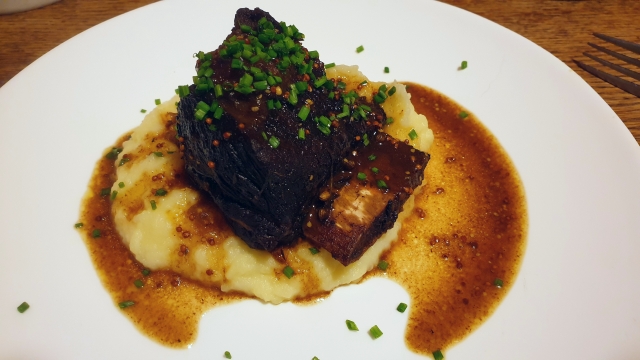
If your goal is a stew that feels almost savoury-sweet with depth, beef ribs do the job. They carry plenty of fat and connective tissue, and the bones release gelatin as they cook. The meat softens into thick fibres that start to shred with very little pressure. This produces a stew with a glossy surface and a sauce that feels naturally fortified.Ribs suit bold recipes: wine reductions, tomato-heavy braises, and dishes meant to taste dark and substantial. The only caution is fat. Expect to skim the pot if you want a lighter finish.
Shin Beef: Clean Beefiness and Natural Thickness
Shin is a favourite for cooks who like a stew with clear flavour and structured cubes of meat. It contains a central tendon that melts slowly into the liquid, turning the sauce thick without the heaviness of rendered fat. As it cooks, the fibres soften into tender but still recognisable chunks.Shin is reliable in almost any stew where clarity matters: European-style braises, curries, lighter stews, and dishes that need a well-defined gravy rather than a fatty, heavy sauce.
Beef Cheeks: Silky, Tender, and Restaurant-Level
Cheeks bring one thing above all: luxurious texture. They carry very little fat but enormous amounts of collagen. Given enough time, they become remarkably soft - tender enough to cut with a spoon-while still holding their shape on a plate. The melted collagen thickens the sauce more effectively than most cuts and without greasiness.Cheeks shine in wine-based braises, soy-based slow dishes, or any recipe where smoothness and mouthfeel are central. They create a polished finish that looks and tastes like something you would expect from a professional kitchen.
Brisket: Classic Comfort and Balanced Structure
Brisket offers a familiar, comforting texture: tender, moist pieces that stay chunky rather than shredding apart. Depending on whether you use the flatter or the pointed end, you get moderate to high fat levels. As the fat melts, it enriches the stew without overwhelming it.Brisket works especially well in tomato stews, chilli-style dishes, goulash, and recipes that need full beef flavour with a warmer, rounder finish.
Chuck / Blade: The All-Purpose Stew Cut
Chuck is the dependable, middle-ground option. It has enough fat to stay moist, enough collagen to produce body, and enough flavour to stand on its own. It does not reach the intensity of ribs or the silkiness of cheeks, but it is difficult to spoil and always delivers a solid result.It is the right choice when you want a traditional, straightforward stew without special handling or dramatic transformation.
Oxtail: The Collagen Powerhouse
Oxtail is for cooks who want thick, sticky, almost syrupy stew sauce. Its bones, marrow, and dense connective tissue break down during cooking, giving the liquid significant weight and texture. The meat itself becomes tender and slips off the bone.This cut is well-suited for long, slow cooking and produces a stew that feels substantial, even when served in small portions. Perfect for winter dishes, red wine braises, and broth-forward stews with deep body.
Comparing the Cuts: What Each One Excels At
Texture Ranking
- Beef cheeks (softest, smoothest)
- Beef ribs (soft, shredding)
- Oxtail (soft with dense gelatin)
- Brisket (tender, structured)
- Chuck (tender, dependable)
- Shin (tender but firm)
Flavour Strength
- Beef ribs
- Oxtail
- Beef cheeks
- Brisket
- Chuck
- Shin
Sauce Thickness (Collagen-driven)
- Oxtail
- Beef cheeks
- Shin
- Beef ribs
- Chuck
- Brisket
Lightest Cuts (Least Fat)
- Cheeks
- Shin
- Chuck
- Brisket
- Oxtail
- Ribs
Choosing the Cut for the Stew You Want
There are a few simple rules you can easily follow:- If you are aiming for richness, go with ribs or oxtail.
- If you want a refined texture, choose cheeks.
- If you prefer a straightforward stew with controlled fat and classic structure, brisket or chuck are ideal.
- If you want a clean, thick gravy without heaviness, shin is the most reliable choice.
step-by-step instructions
|
|
| Follow @HowToGD | 
|

|

|
||||
| navigation: | officials: | topics: |