home
kk
kk
pH
In nutrition, pH describes how acidic or alkaline a food or beverage is, affecting flavor, texture, shelf life, and microbial safety. Acidic foods such as citrus fruits, fermented products, yogurt, and vinegar have low pH values, which inhibit bacterial growth and enhance preservation, while alkaline foods and ingredients are less common and usually mild in effect. Food pH also plays a role in nutrient stability: for example, acidic environments help preserve vitamin C, while certain minerals dissolve more readily at lower pH levels, improving their availability during digestion.
From a physiological perspective, the pH of food has little direct impact on blood pH, which is tightly regulated by the lungs and kidneys. Instead, dietary pH mainly influences digestion and oral health, as acidic foods can affect tooth enamel and stomach comfort. Claims that “alkaline foods” or high-pH beverages significantly alter body pH are not supported by physiology; their nutritional value depends far more on their overall composition—water, minerals, carbohydrates, fats, and proteins—than on pH alone.
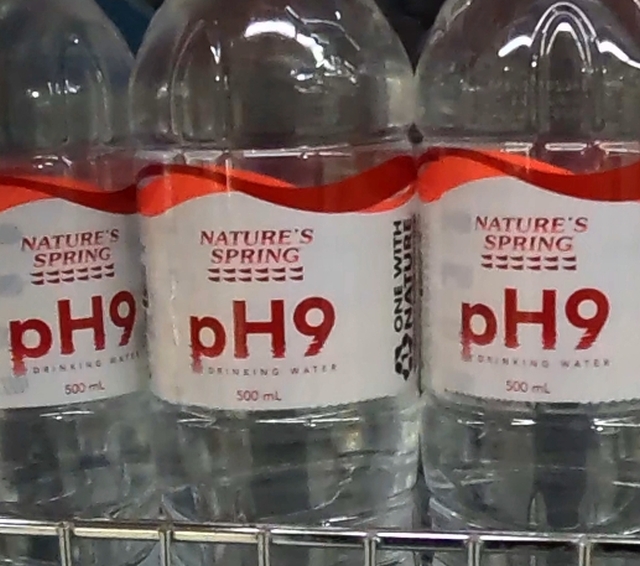 Alkaline water: chemistry vs marketingpH by itself is a momentary measurement, not a guarantee of chemical behavior. Pure or near-pure bottled drinking water—even if labeled “pH 9”— ...
| navigation: | officials: | topics: |